A cedar fence should be planned as a complete line, not a collection of boards. Board direction, post choice, gates, grade changes, fasteners, and finish expectations all affect how the fence looks and works. Settling those decisions before construction produces a clearer estimate and fewer unresolved details at the property.
Cascadia Deck & Fence builds cedar, horizontal, and privacy fences for homeowners across the Greater Seattle Area. We can compare vertical and horizontal layouts, discuss wood and metal-post options, and document the selected scope in writing.
Choose vertical or horizontal boards for a reason
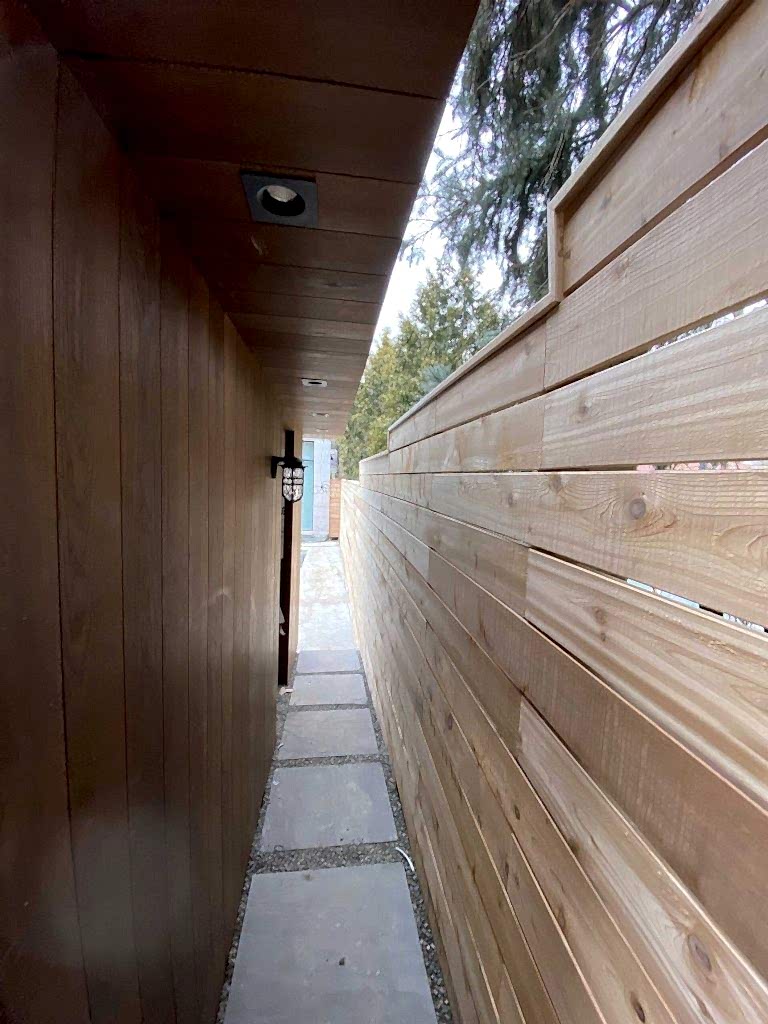
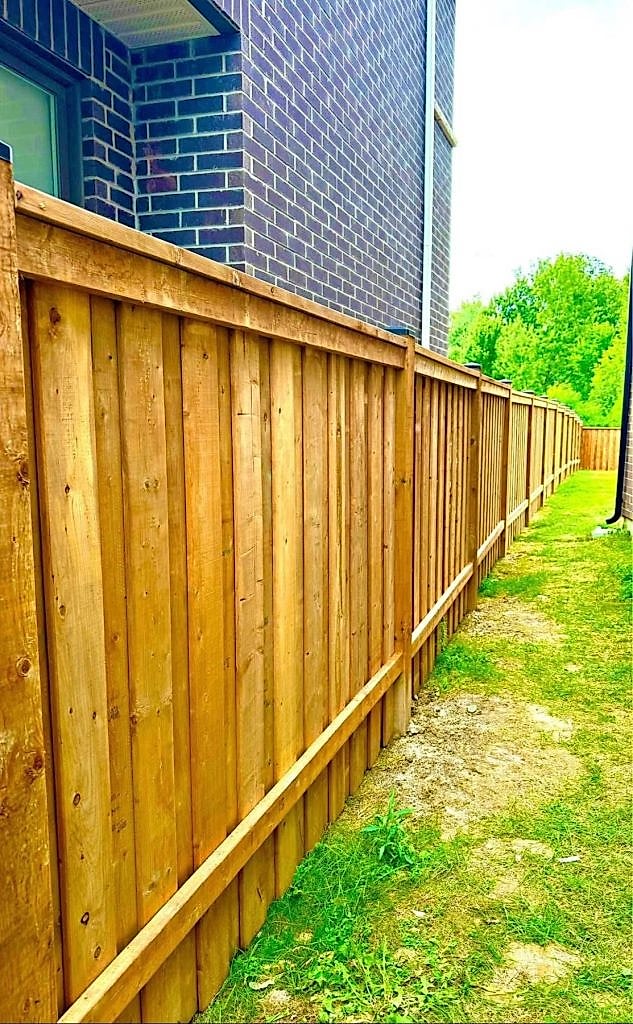
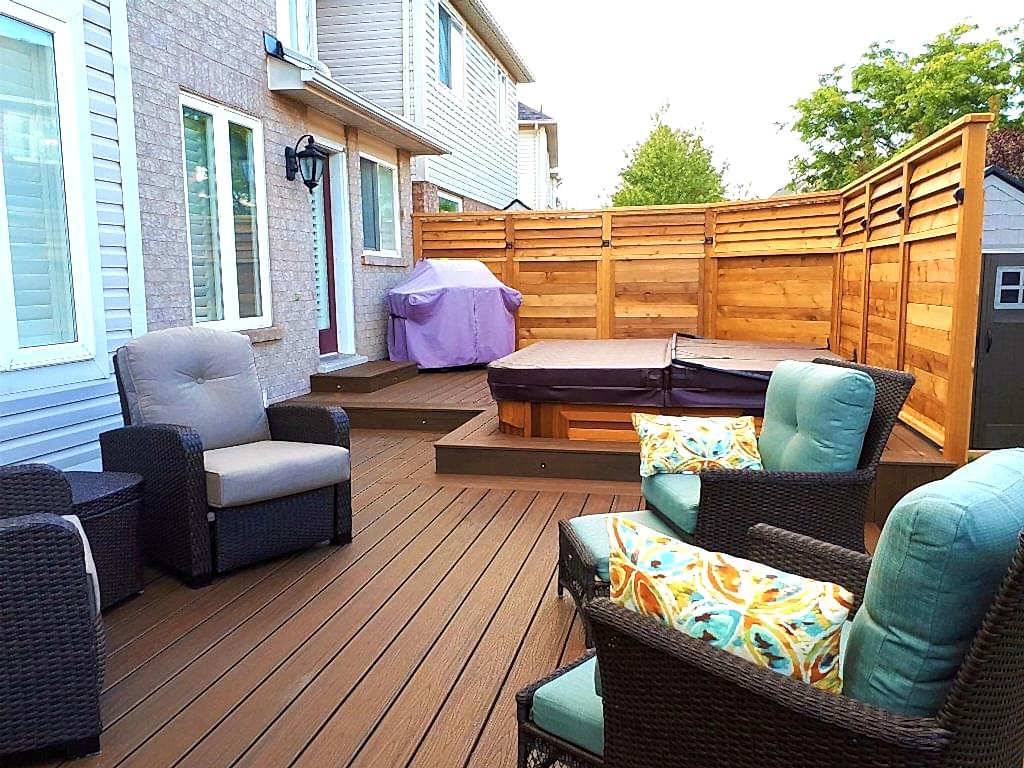
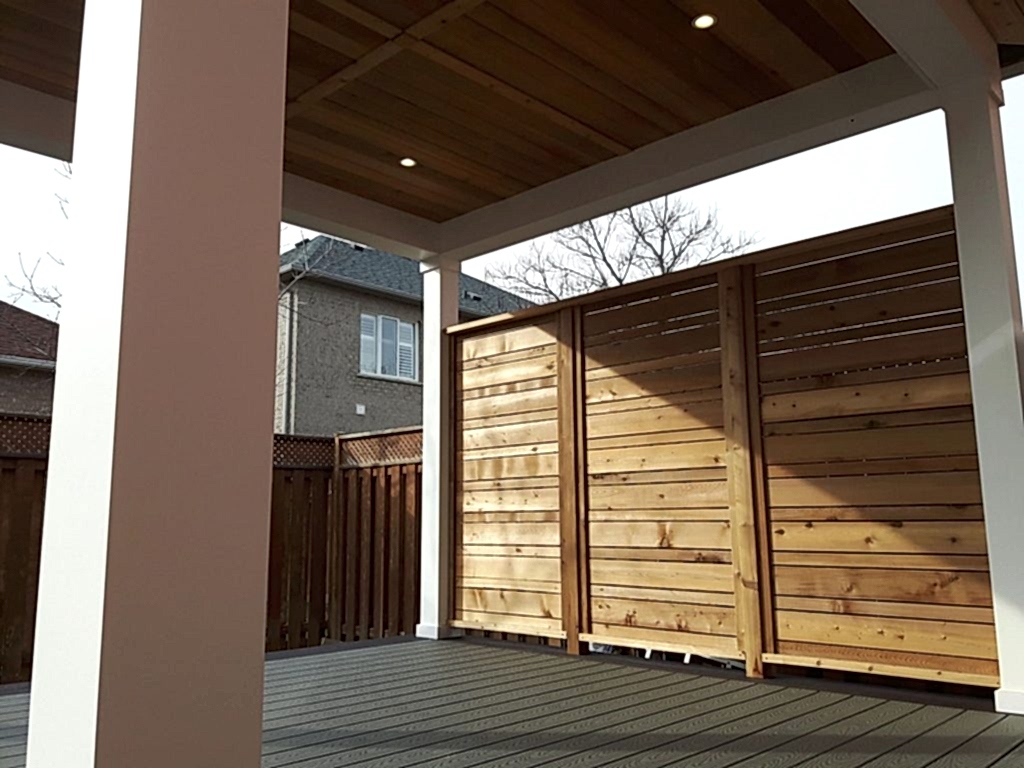
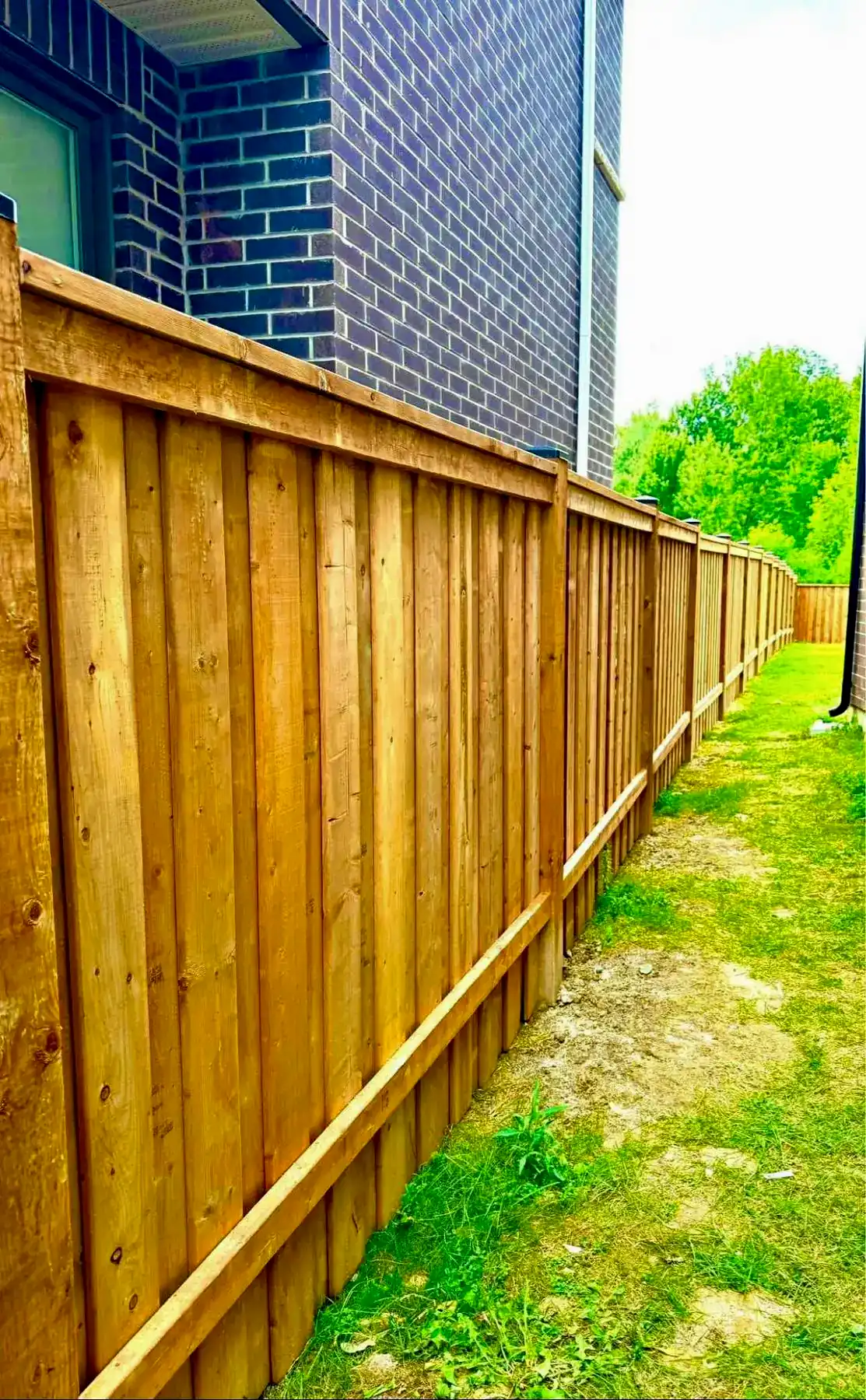
Vertical cedar boards create a familiar fence pattern and can follow a changing grade in small adjustments. Horizontal boards draw attention to long lines, panel proportions, and the way the fence steps or transitions. Neither direction is automatically right for every yard.
Start with the views you want to screen and the parts of the property you want to keep open. Then consider the house, neighboring structures, planting, and the length of each visible run. A horizontal layout may suit a simple modern elevation, while vertical boards may fit a more traditional yard or a fence line with frequent changes. Those are design choices, not universal rules.
If screening is the main goal, compare these layout decisions with our dedicated privacy fence planning guidance.
Plan the fence line before choosing details
A site walk should identify where the fence begins and ends, where gates belong, and where the ground rises or falls. Existing trees, roots, retaining walls, drainage paths, driveways, utility areas, and narrow access can affect the scope. Bring any survey, plat, easement information, or property-line records you already have. A contractor’s layout discussion does not replace a legal boundary survey.
Grade changes also affect the bottom of the fence. Following the slope can create a continuous line, while stepped sections create level panels with controlled transitions. The practical choice depends on the board layout, the amount of change, and the gaps that would remain near the ground.
The broader fence installation and replacement page explains how access, existing conditions, and removal work can shape the complete project.
Posts, rails, boards, and gates work together
The Western Red Cedar Lumber Association describes posts, rails, and infill as the basic elements of a wood fence. That simple breakdown is useful because changing one part can affect the rest. A taller or more closed section presents different demands than a low or open section. Long horizontal lines make post spacing and alignment especially visible.
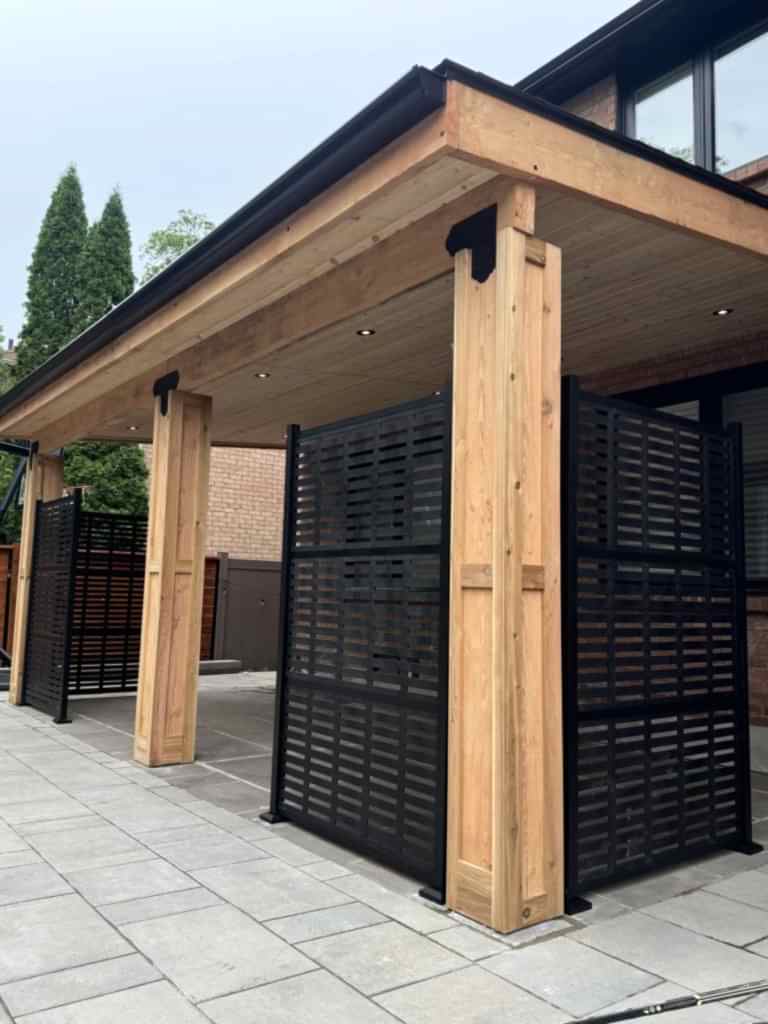
Post material is another decision. Wood posts may suit a fully wood appearance. A metal-post option removes wood from the post position at the ground line, but the coating, connections, brackets, and selected board system still need to be specified. See our metal-post fence page for that comparison.
Gates need to be included in the same plan. Opening width, swing direction, latch location, ground clearance, and post support affect how the adjoining fence sections are laid out. If a gate already drags, twists, or no longer latches, the surrounding posts and panels should be checked before the hardware alone is replaced. Our gate and selected fence repair service covers that assessment.
Decide how you want cedar to weather
Outdoor cedar changes color with exposure. A finish can change the appearance and maintenance plan, but the exact result depends on the product, preparation, application, and future care. The written scope should say whether the project includes unfinished cedar, a separate finishing step, or homeowner follow-up.
The Real Cedar finishing guide separates transparent, semitransparent, solid-color, and other finish approaches. Product instructions still control application and maintenance. If preserving the original color is important, discuss that goal before boards are installed rather than after weathering begins.
Fastener and connector selection matters too. Cedar industry guidance calls for corrosion-resistant choices appropriate to the exposure and connection. The exact fastener belongs with the selected board, rail, post, and hardware system in the project scope.
Check the jurisdiction and underground utilities
Fence rules are local. Seattle publishes city-specific information about fence height, location, and permit conditions. King County publishes different guidance for unincorporated properties, including exceptions that may not apply when a site has critical areas or other special conditions. Incorporated cities within King and Snohomish counties have their own rules.
Post holes also make utility locating part of fence planning. The Washington Utilities and Transportation Commission directs anyone performing excavation to request an underground utility locate before digging. The written agreement should make responsibility for the locate, private utilities, permit research, and any property documentation clear.
What belongs in a cedar fence estimate
A useful estimate should describe more than linear footage. It should identify the planned fence line, height, board direction, spacing or overlap, post system, gates, grade transitions, removal work, access constraints, and known property requirements. Finish responsibility and any unresolved material selection should also be visible.
Cascadia provides free project estimates. Cascadia Deck & Fence LLC is a Washington contractor, registration CASCADF741LJ, and is licensed, bonded, and insured. Workmanship warranty options up to four years are available with select packages and must be documented in the written agreement.
Cedar fence questions
Is a horizontal cedar fence more private than a vertical fence?
Board direction alone does not determine privacy. Board spacing, overlap, fence height, grade, and sightlines matter more. Compare the two layouts against the same fence line and screening goal.
Does a cedar fence need a finish?
Cedar can be left to weather or finished for a different appearance and care plan. The right choice depends on the desired color, exposure, product instructions, and willingness to maintain it. Confirm whether finishing is included in the written scope.
Can cedar boards be used with metal posts?
Metal-post fences are part of Cascadia’s approved service scope, and cedar fences are an approved material category. The exact post, connection, board, and trim combination still needs to be selected for the project and written into the estimate.
What should I send for an estimate?
Send the property ZIP code, approximate fence line, photos from both ends, preferred board direction, gate needs, and any known grade, access, boundary, or utility concern. Include a photo of the existing fence if replacement or repair may be involved.
Request a free cedar fence estimate and include photos so we can prepare for the first conversation.