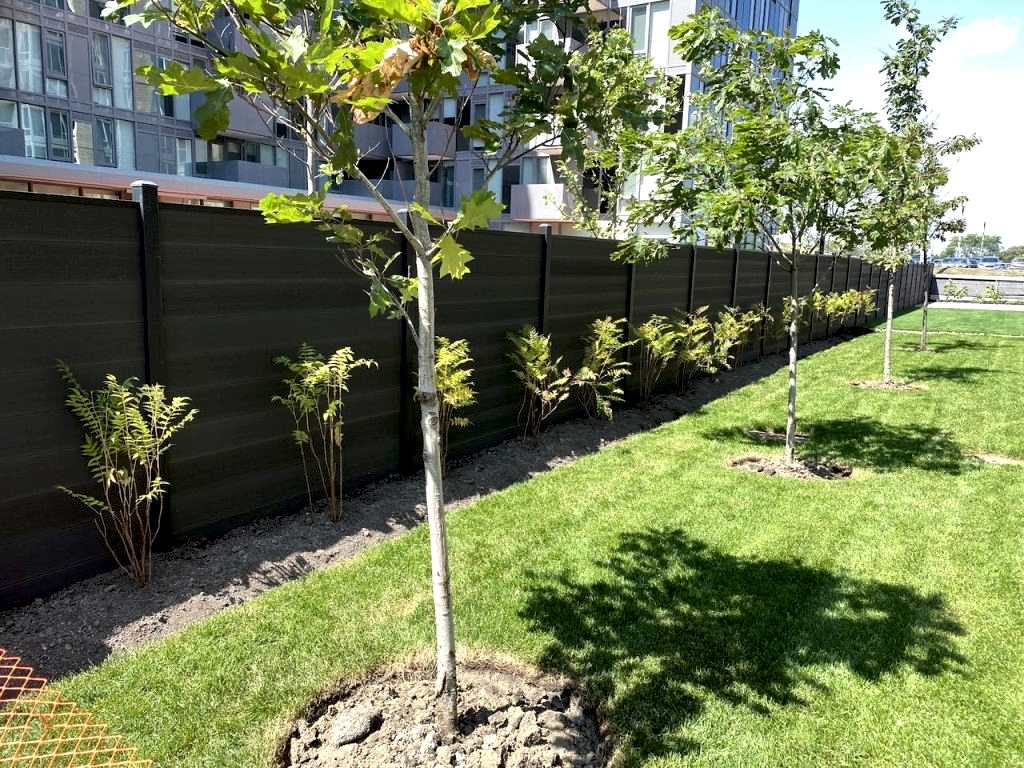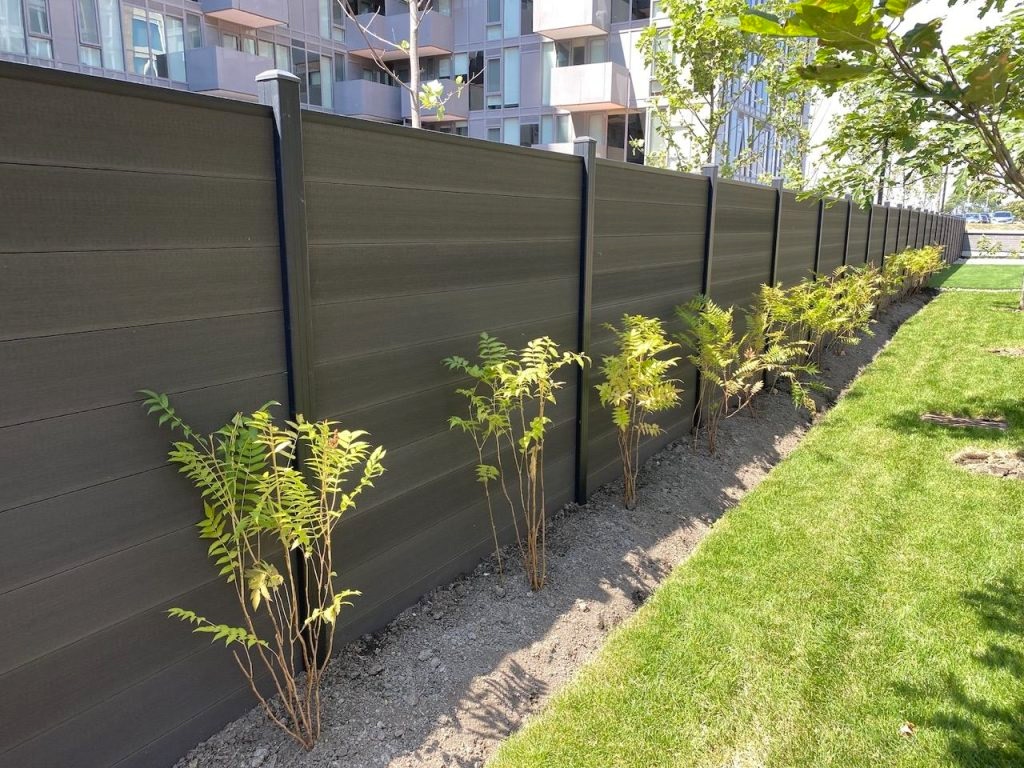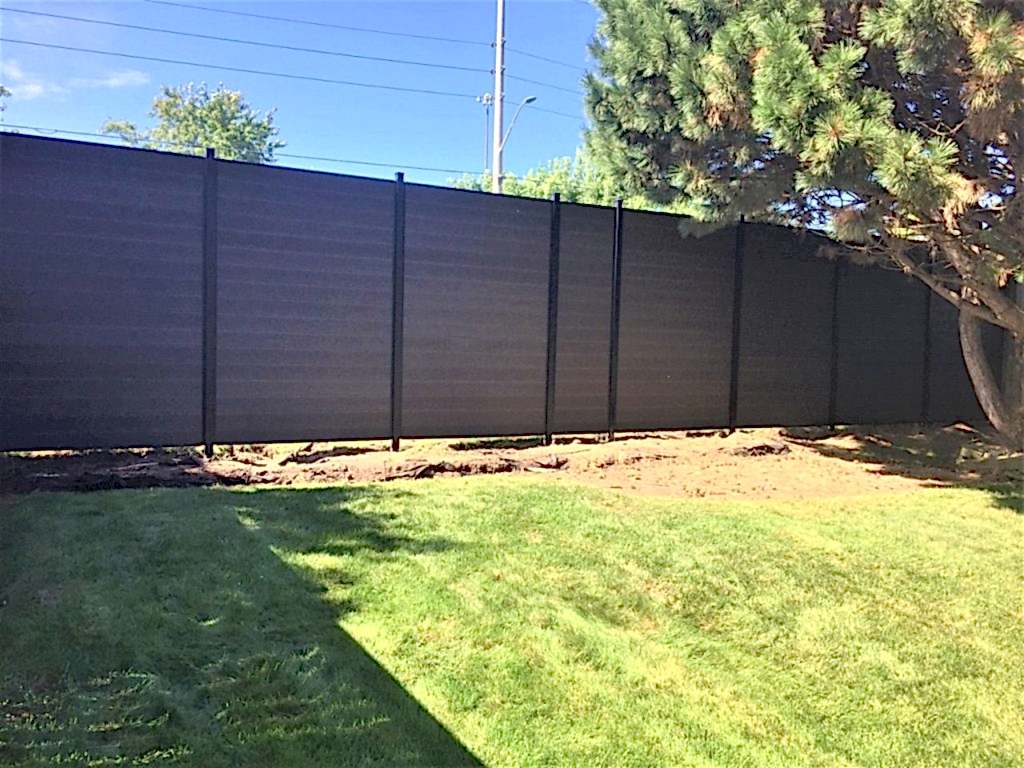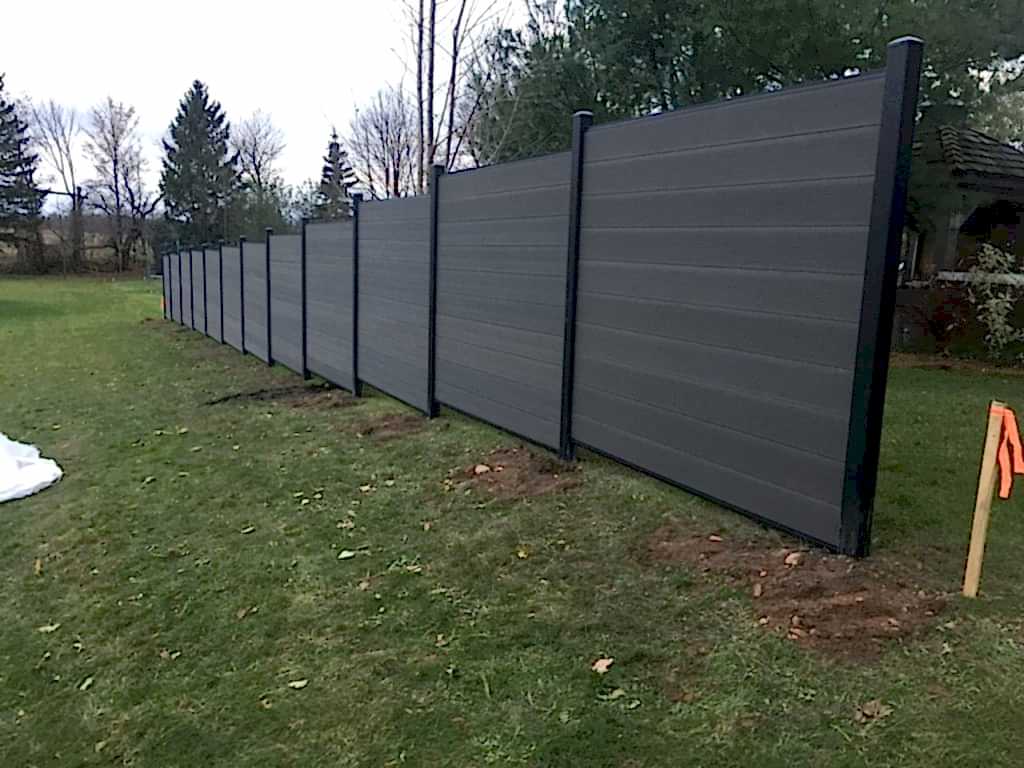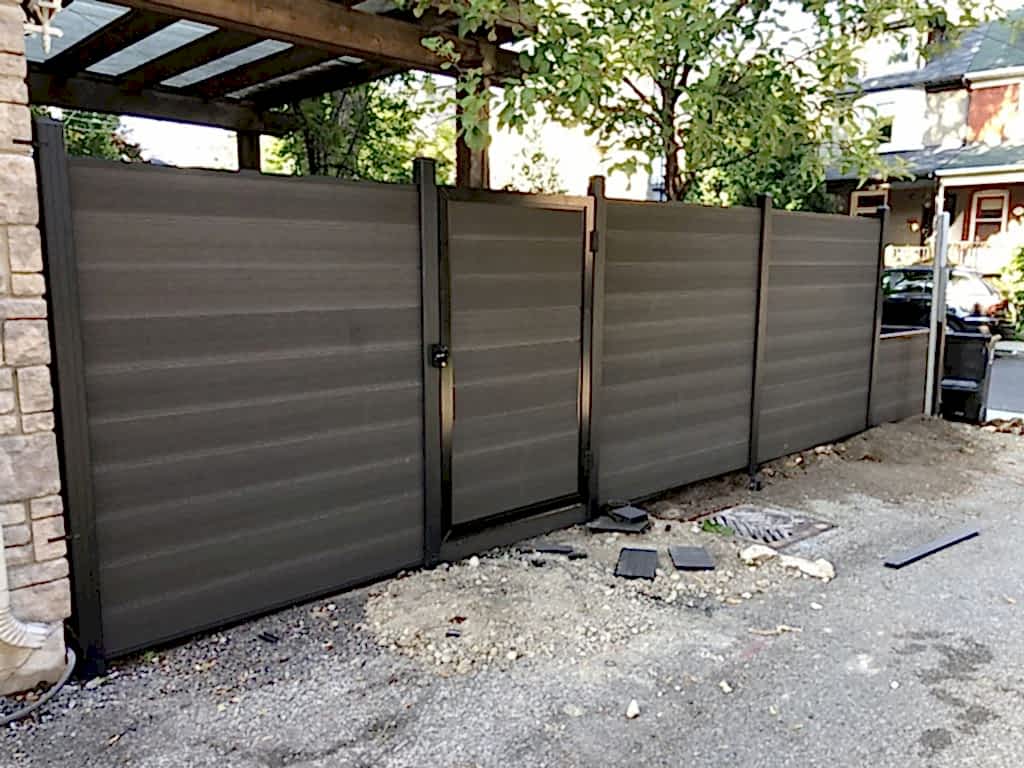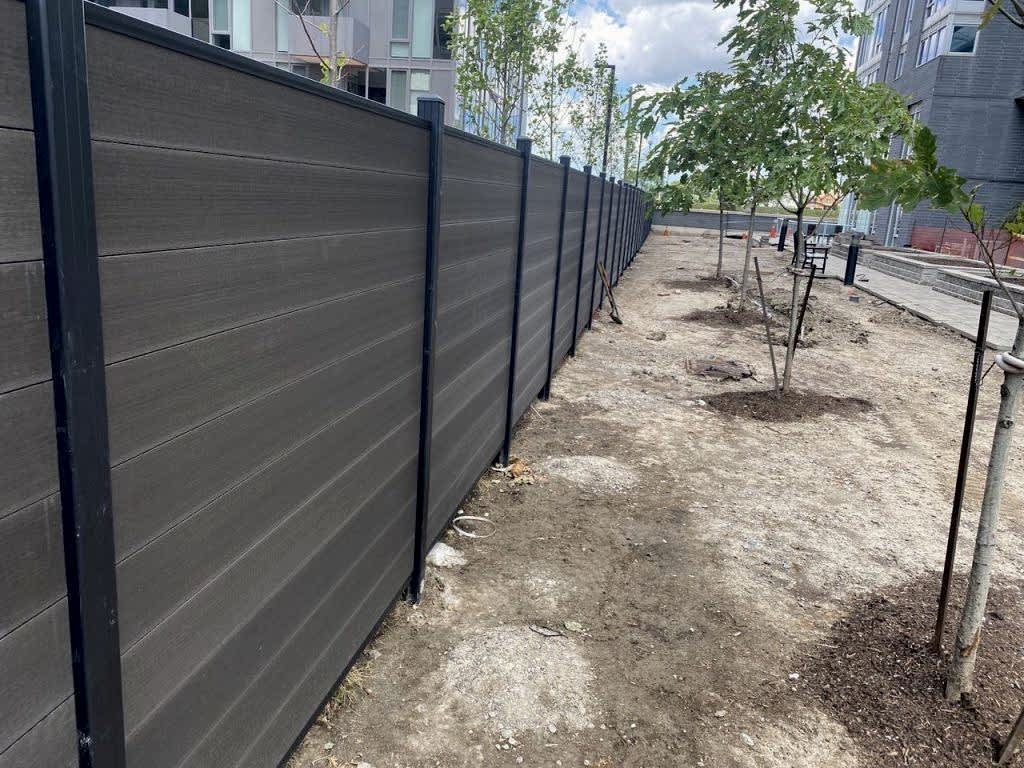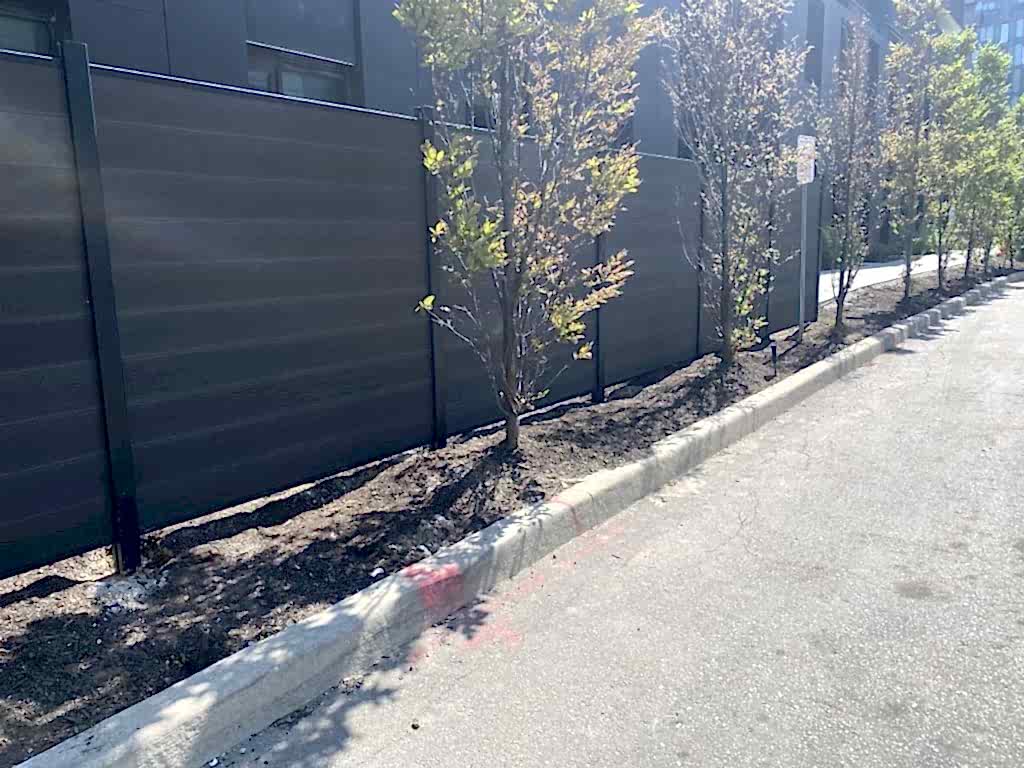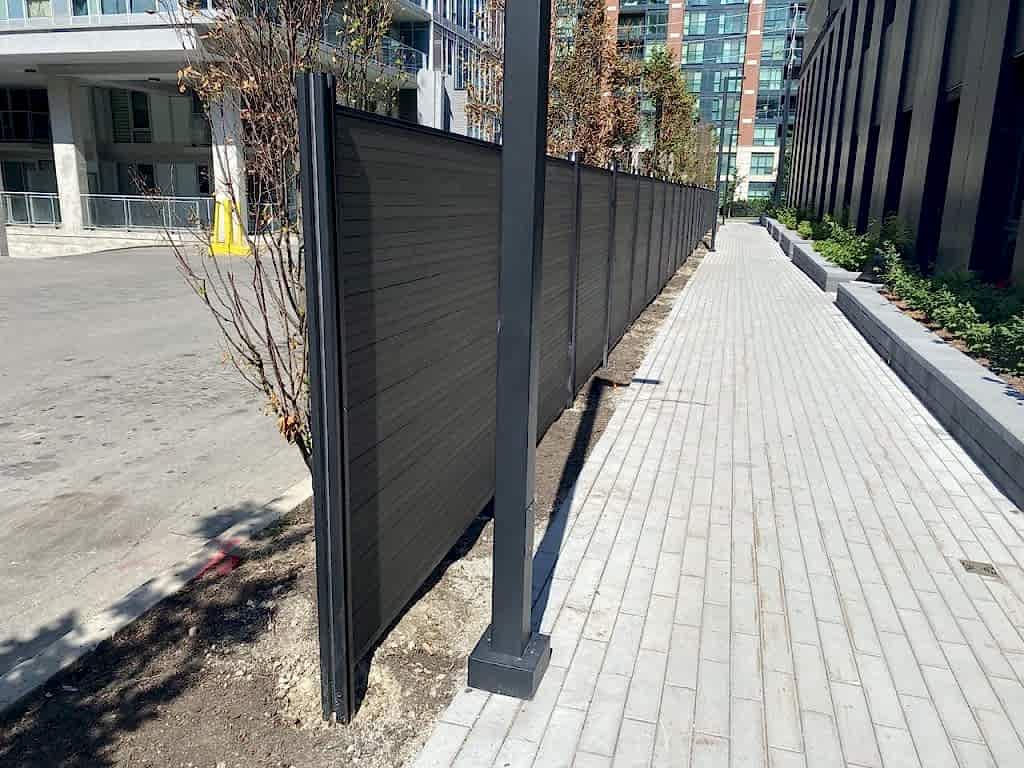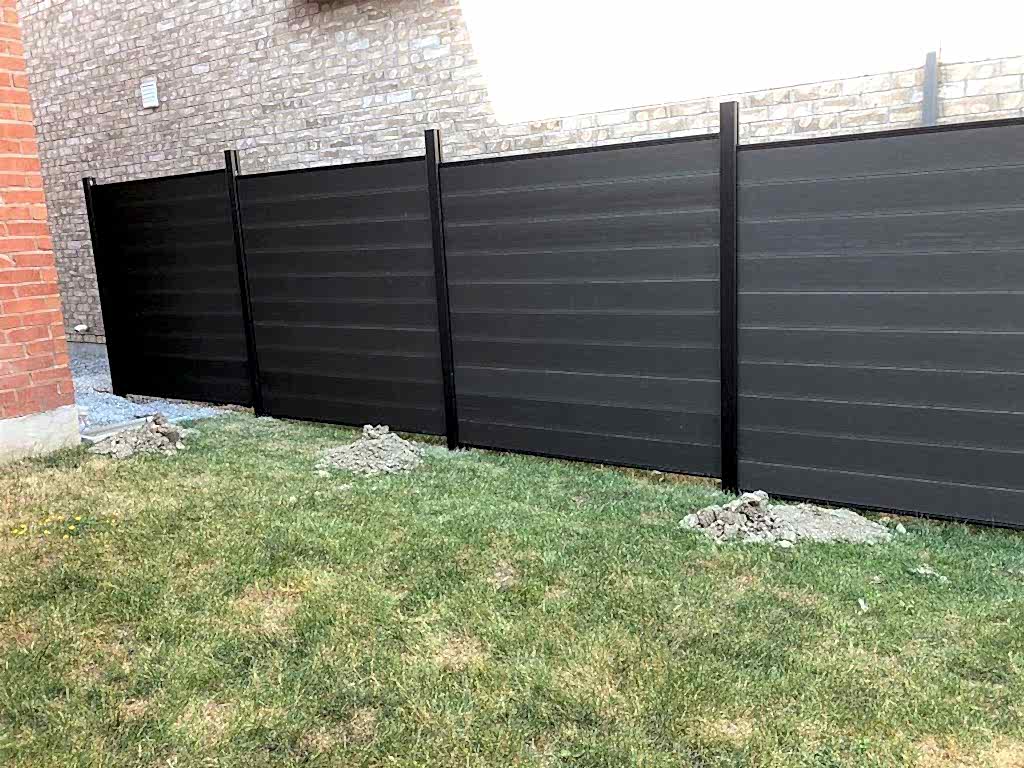
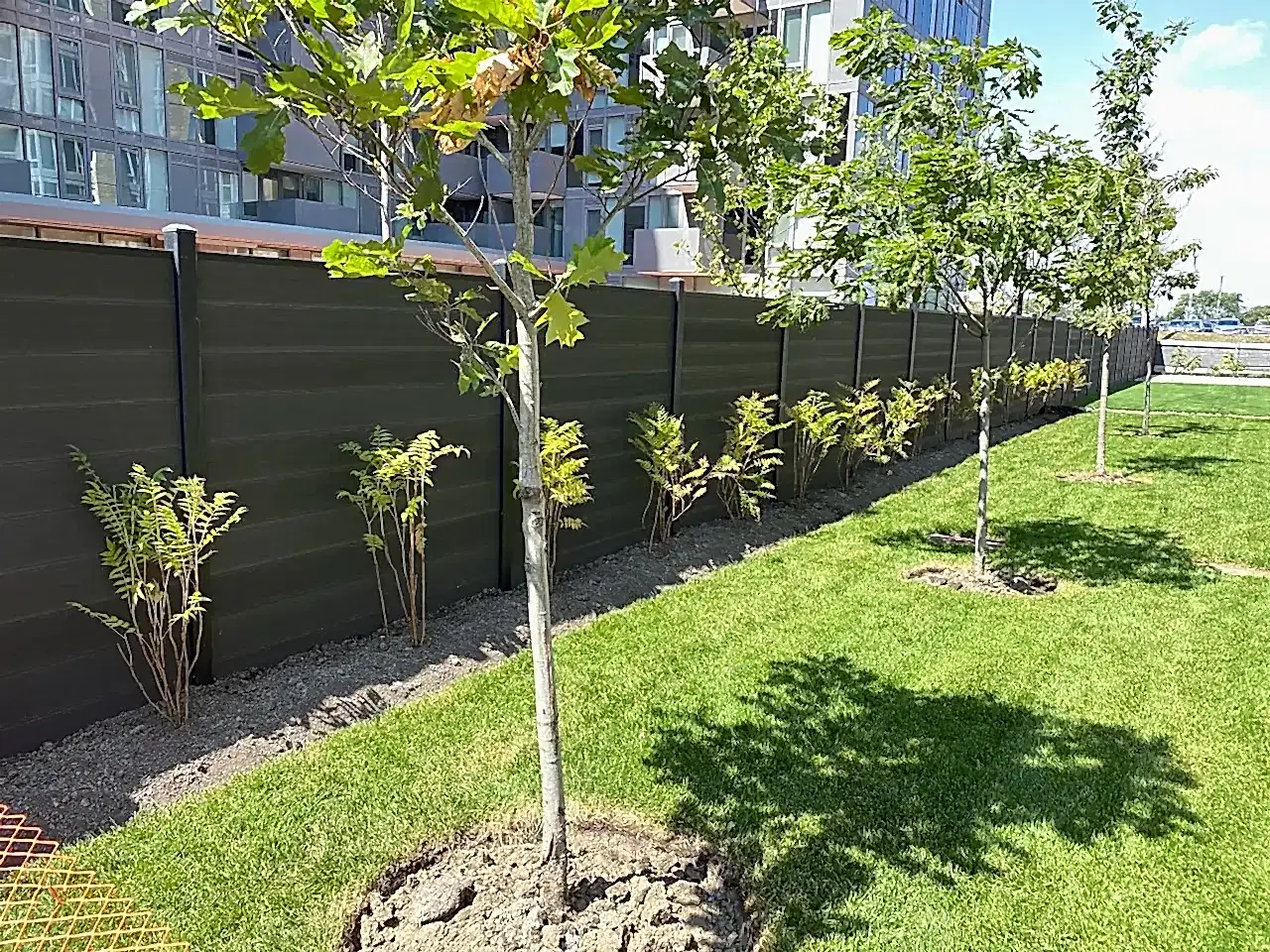
A metal-post fence can remove wood from the post position at the ground line, but the post is only one part of the system. Coating, connections, rails, boards, gates, grade, and site exposure still need to be specified. A useful estimate should show how those parts fit together.
Cascadia Deck & Fence builds metal-post and cedar fences for homeowners across the Greater Seattle Area. We review the property, compare post and board decisions, and prepare a written scope for the selected system.
Compare post systems without a universal claim
Wood and metal respond differently to outdoor exposure. Wood can decay when moisture conditions allow biological deterioration. Steel does not undergo wood decay, but unprotected steel can corrode. A metal post therefore shifts the material decision rather than eliminating exposure and maintenance questions.
Look at the complete post specification. The steel shape, protective coating, cut or drilled areas, brackets, fasteners, and connection to the fence all matter. ISO guidance for zinc coatings explains that coating type, design, and environment influence corrosion resistance. It does not support one lifespan for every product or property.
A wood post may still suit a project when the homeowner wants a fully wood appearance and the selected construction details fit the site. A metal-post option may make more sense when the ground-line material and post visibility are higher priorities. Neither choice should be made from a slogan alone.
See the broader residential fence installation page for the other site and replacement decisions that belong in the scope.
Choose the visible fence with the post system
The boards determine most of what a homeowner sees, but the post layout affects panel proportions and attachment. Cedar boards can create vertical or horizontal patterns. The post and rail configuration must suit the selected direction, spacing, height, and trim.
Some designs leave the metal posts visible. Others use boards or trim to reduce their visual presence. That choice affects materials, edges, and future access to connections. It should appear in the estimate rather than remain an installation-day decision.
For a closer comparison of vertical and horizontal cedar layouts, visit our cedar fence planning page.
Account for privacy, grade, and wind exposure
A closed privacy section presents more surface to the weather than an open fence. Grade changes can also alter the exposed height from one side of the line. These conditions affect the design, but they do not justify a generic wind rating or a promise that one post material will solve every movement problem.
The site review should note fence height, board openness, long uninterrupted runs, corners, changes in direction, and areas with unusual exposure. The selected post depth, spacing, footing approach, and connection details must follow the actual system and applicable project requirements.
If screening is the primary goal, use the privacy fence page to define sightlines, height questions, landscaping, and yard access before choosing the post type.
Plan gates as separate moving sections
A gate transfers repeated movement into its supports. Opening width, swing direction, weight, hinge arrangement, latch location, and ground clearance all influence the adjoining posts and panels. A post system that works for a straight fence run still needs gate-specific connections.
If an existing gate drags or will not latch, check the gate frame, hinges, latch, supports, and nearby fence alignment. Replacing hardware may help when the structure remains square and supported. Movement at a post or wider fence line can require a different repair or replacement scope.
Review our gate and selected fence repair guidance before assuming the post alone is the cause.
Use the site to define replacement work
Replacing a wood post with a metal post is not always a one-part substitution. Existing rails, boards, footings, alignment, and gate connections may limit what can be reused. A new post also needs a compatible way to connect with the fence that remains.
Cascadia handles new metal-post fences, replacement, and selected fence repairs. The condition and compatibility of the existing fence determine whether isolated work fits the service scope. The estimate should state which components remain and which are replaced.
Confirm fence rules and underground utilities
Jurisdiction requirements vary across the Greater Seattle Area. Seattle publishes city-specific fence height, location, and permit guidance. King County separately lists conditions for unincorporated properties. Other cities in King and Snohomish counties use their own codes and review processes.
Metal-post installation requires excavation. The Washington Utilities and Transportation Commission directs anyone performing digging to request an underground utility locate before work begins. Private utilities, irrigation, drainage, roots, retaining walls, or other site conditions can still affect a planned hole after public utilities are marked.
The written agreement should identify responsibility for utility locating, private-line information, permit research, and property-line documentation. It should also explain how an unexpected conflict changes the proposed post layout or scope.
What belongs in a metal-post fence estimate
A clear estimate should identify the fence line, post product or specification, coating, brackets, rails, board layout, visible trim, gates, grade transitions, and existing-fence work. It should also describe access constraints and any known permit, utility, or property issue.
Cascadia provides free project estimates. Cascadia Deck & Fence LLC is a Washington contractor, registration CASCADF741LJ, and is licensed, bonded, and insured. Workmanship warranty options up to four years are available with select packages and must be documented in the written agreement.
Metal-post fence questions
Do metal fence posts rust?
Steel can corrode when it is exposed without suitable protection. Zinc coatings and other specified protective systems can reduce corrosion, but performance depends on the product, coating condition, details, and environment. Confirm the actual post specification in writing.
Can metal posts be used with cedar boards?
Metal-post fences and cedar fences are both within Cascadia’s approved service scope. The exact post, rail, bracket, fastener, board, and trim combination must still be selected as a compatible system for the project.
Can one failed wood post be replaced with metal?
It depends on the condition and compatibility of the surrounding fence. Rails, boards, alignment, footing conditions, and gate loads may affect whether an isolated replacement is practical and whether it fits Cascadia’s selected repair scope.
What should I send for an estimate?
Send the property ZIP code, approximate fence line, photos of the posts and both sides of the fence, gate locations, and any known slope, access, corrosion, decay, utility, or boundary concern.
Request a free metal-post fence estimate and attach close views of the existing posts if replacement or repair is part of the project.