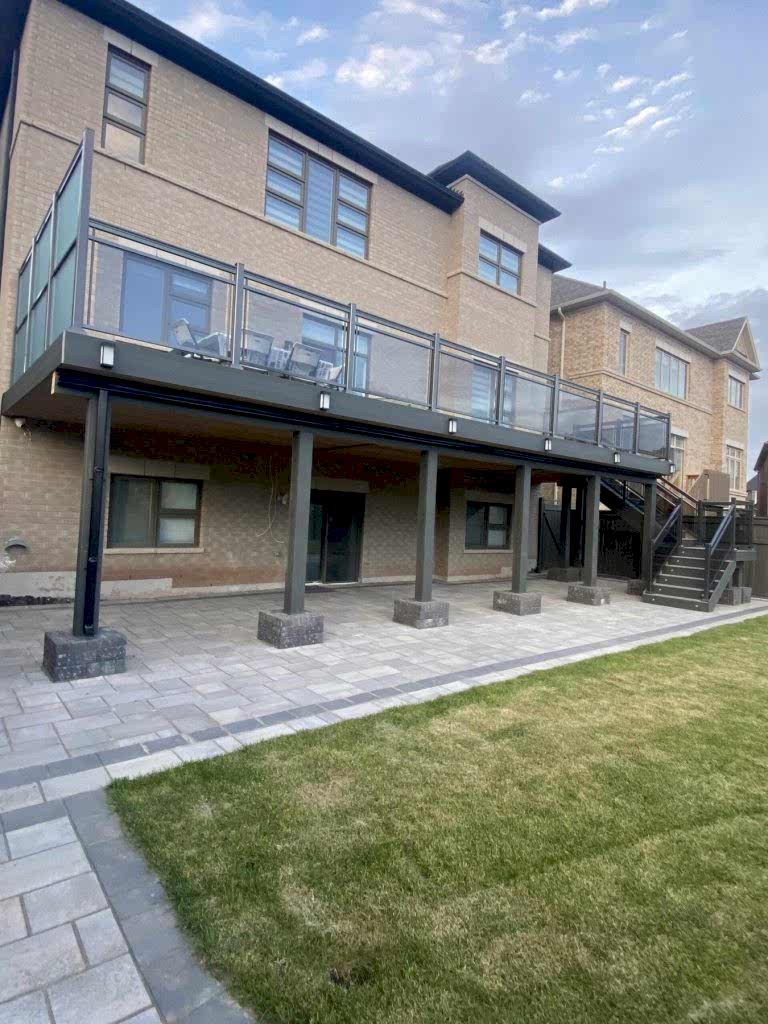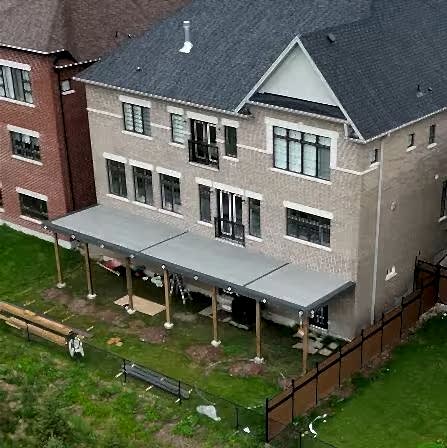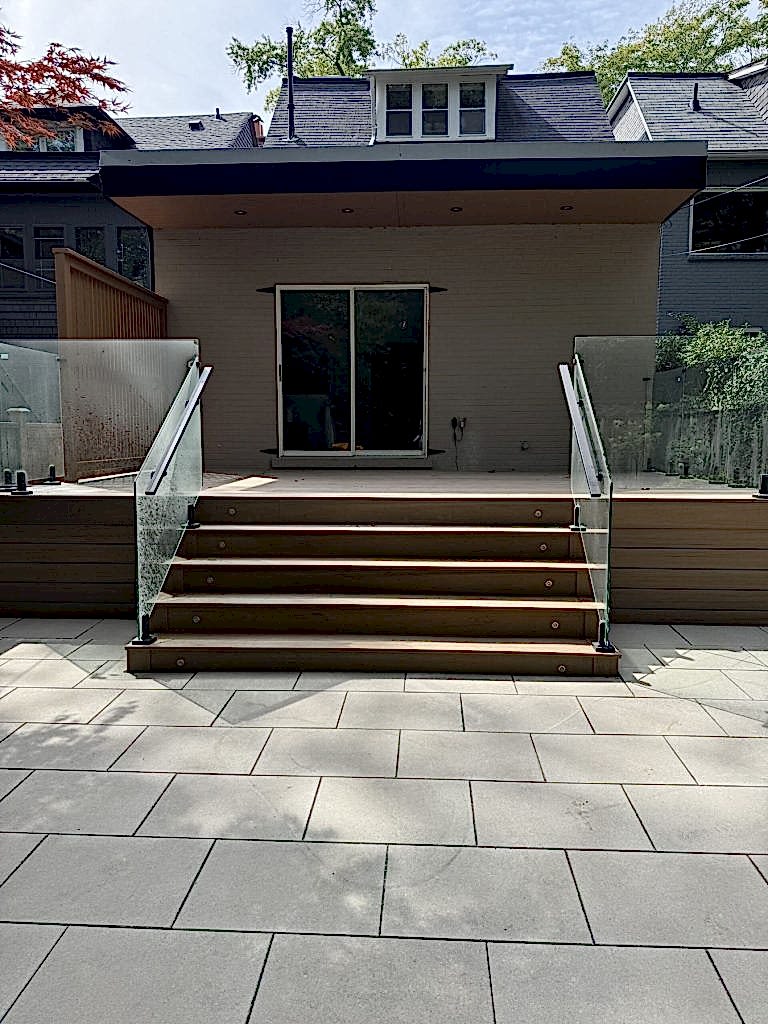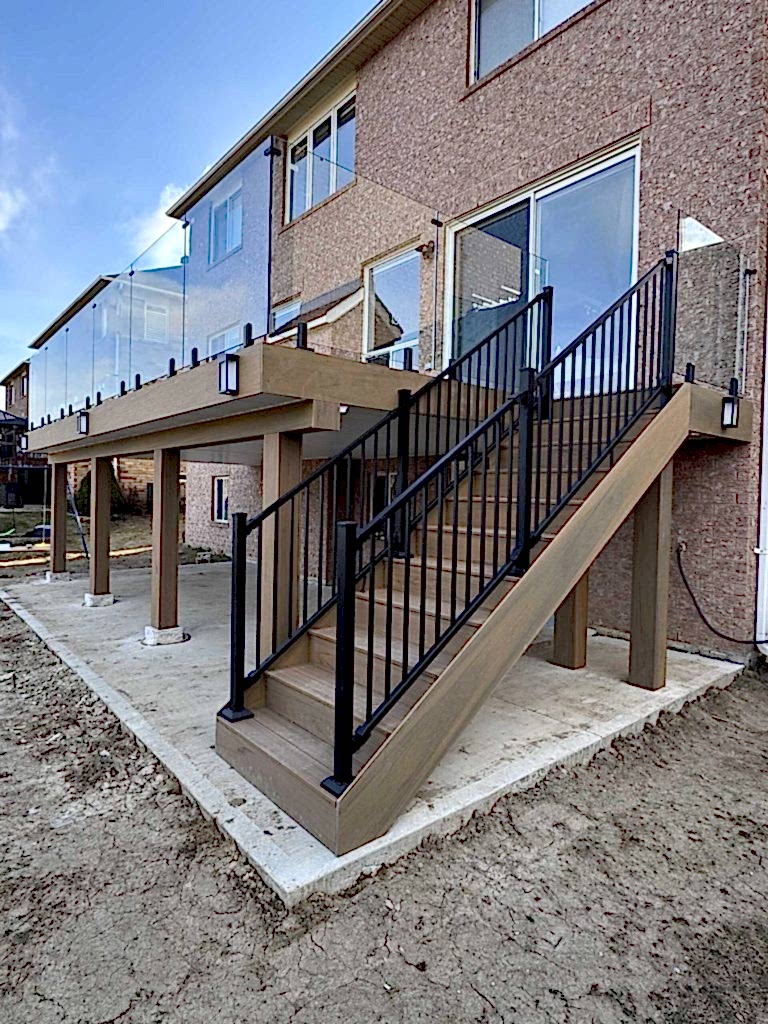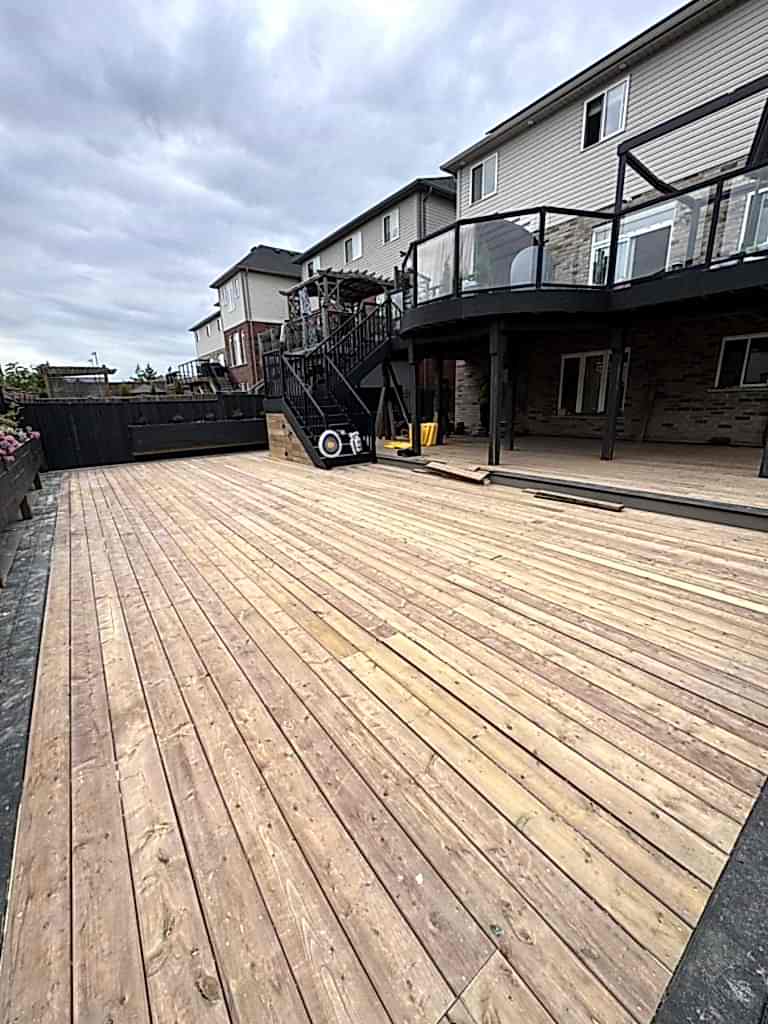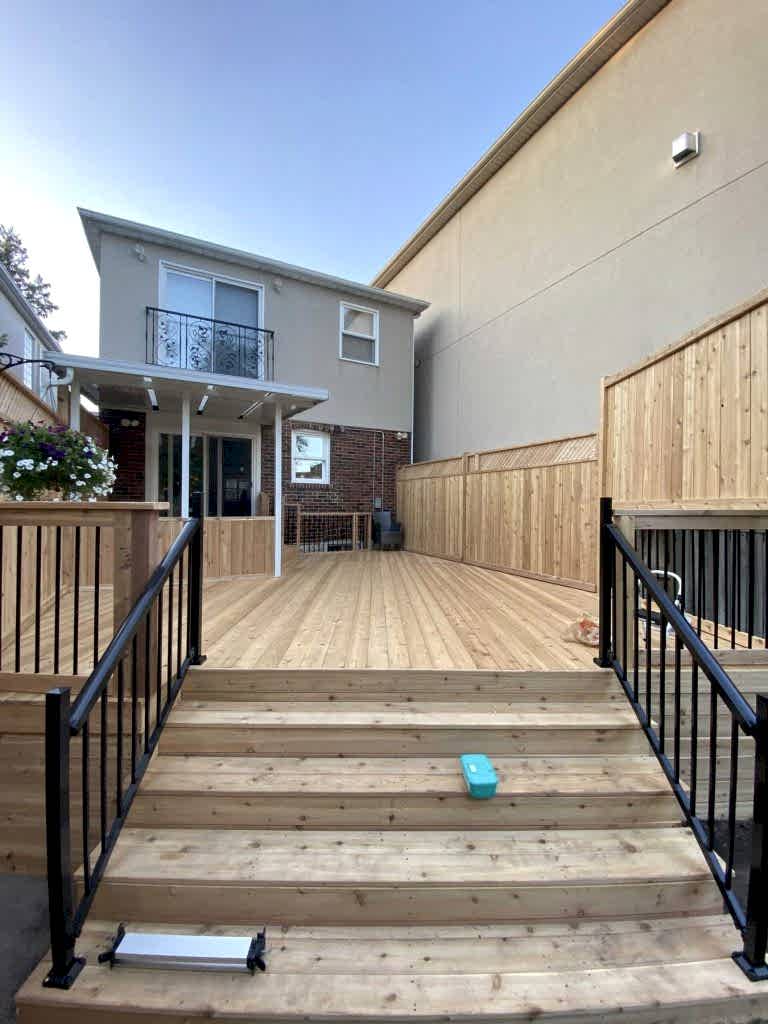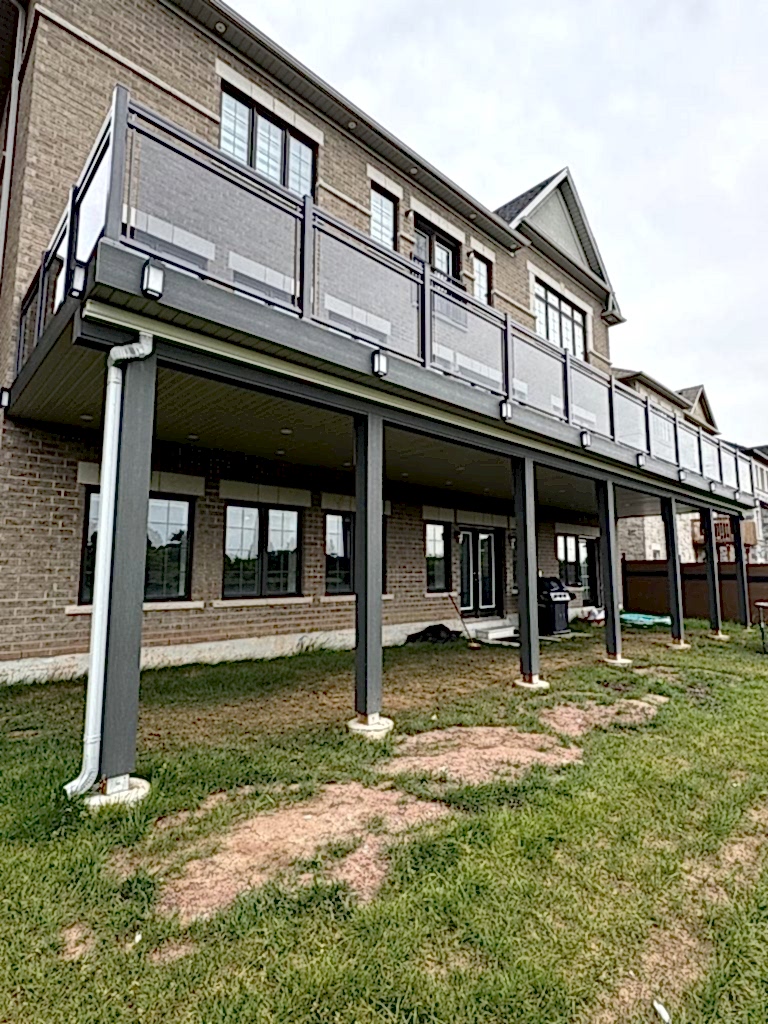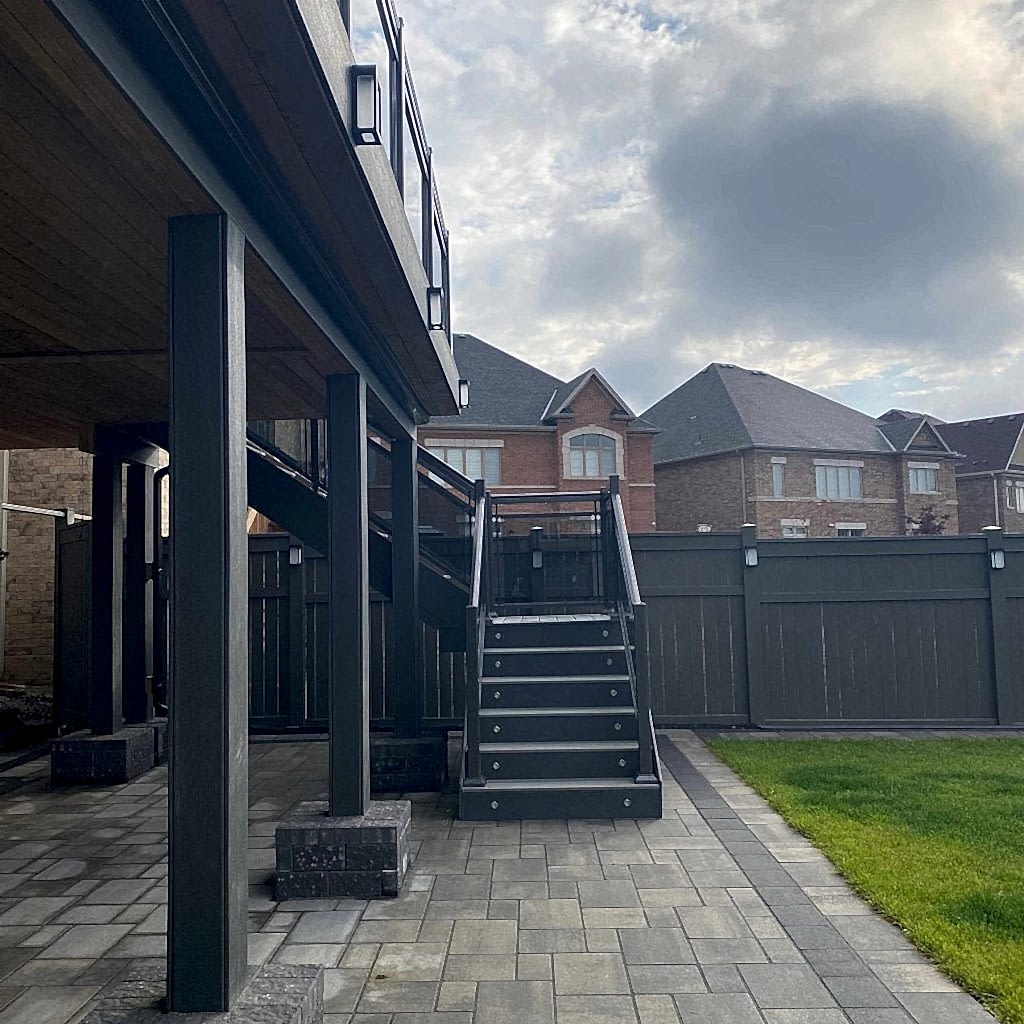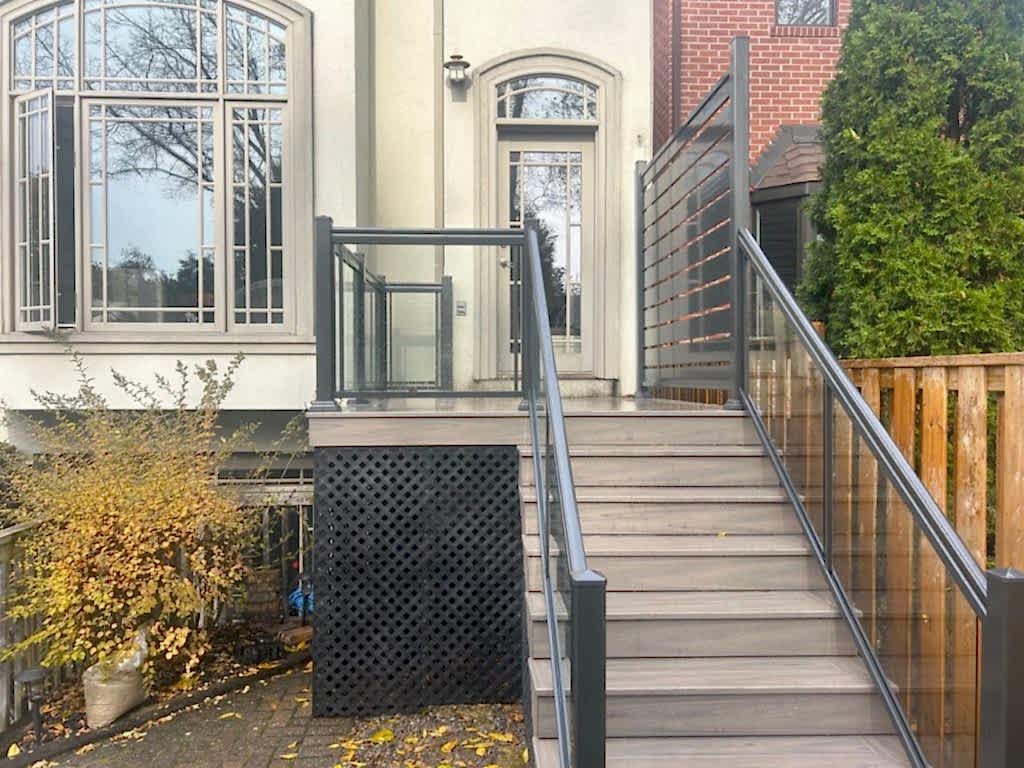
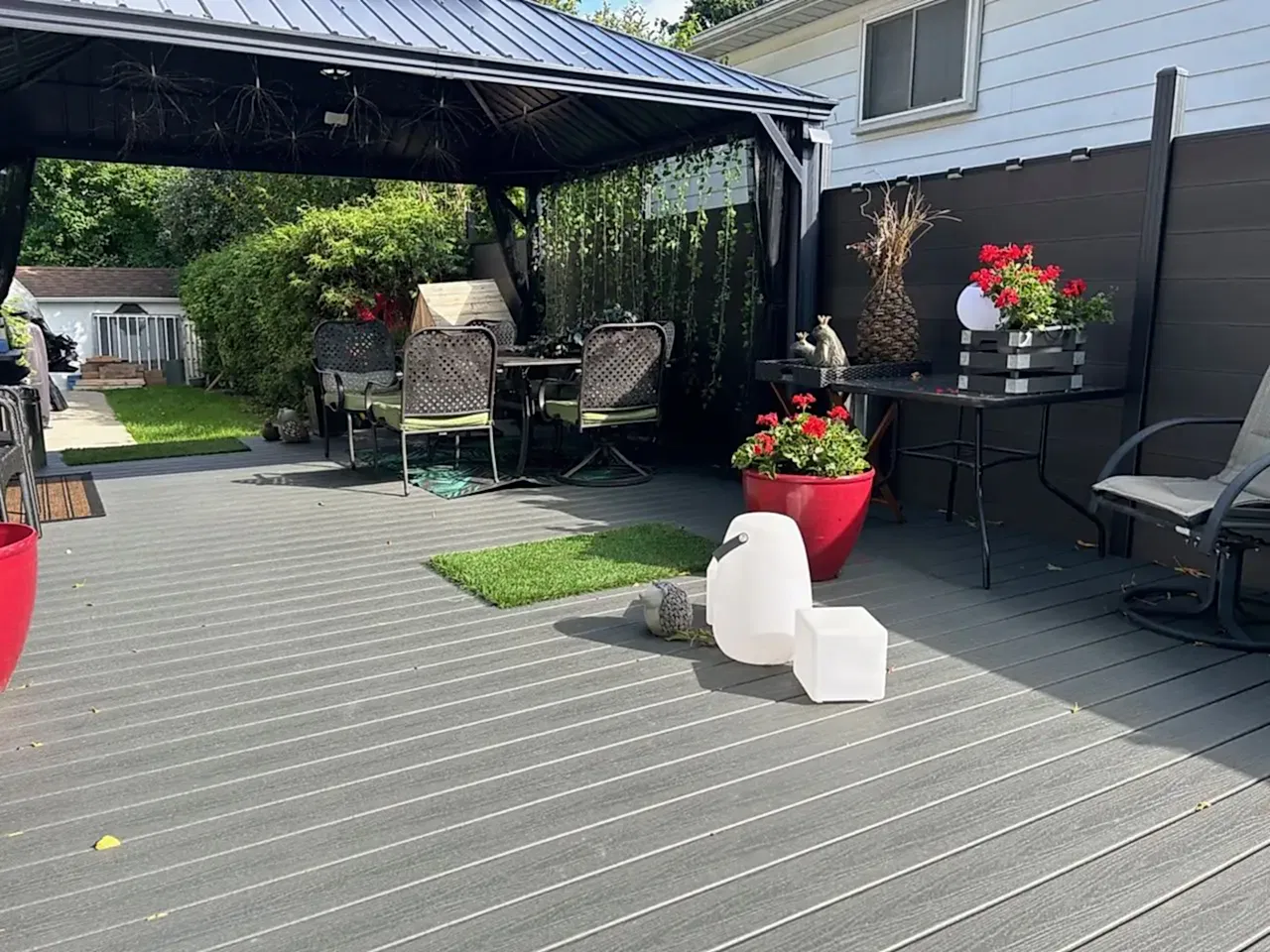
A damaged board, loose railing, or worn stair does not tell you whether the deck needs one repair or a larger replacement. The visible structure and connections need to be considered together. Some problems are local. Others are signs that repairing the surface alone would leave the main concern unresolved.
Cascadia provides selected deck repairs and deck replacement across the Greater Seattle Area. We start by reviewing the reported problem and accessible conditions, then define the proposed work in writing. If the deck moves, a guard feels loose, stairs appear unstable, or material is falling, limit access until a qualified professional evaluates it.
A repair assessment looks beyond the damaged spot
Decks are systems. The North American Deck and Railing Association’s evaluation guide separates the main areas into supports, posts, beams, joists, ledger connections, boards, stairs, handrails, and guards. A concern in one area can affect the repair planned for another.
Access matters. Finished ceilings, low clearance, skirting, landscaping, and attached materials can hide parts of the structure. A visual assessment should distinguish what was observed from what could not be reached. Opening a limited area may reveal conditions that were not visible when the estimate was prepared.
Common reasons homeowners request an estimate
People often contact a deck contractor after noticing one or more of these conditions:
- Boards that are split, soft, raised, badly worn, or damaged
- Movement in stairs, railings, or the deck surface
- Water collecting near the house or in a low area
- Visible corrosion, staining, or loose hardware
- Changes in post, beam, or footing alignment
- A surface that is being considered for cedar or composite replacement
This list is for describing the issue, not diagnosing it. Photos and a site visit are still needed. Do not probe, remove, or load a component if doing so could make an unstable condition worse.
When a selected repair may be reasonable
A limited repair may be appropriate when the problem is localized, the relevant structure is suitable to remain, compatible materials are available, and the completed work can meet the project requirements. Examples may include selected boards, a defined stair or railing component, or a limited framing area. Cascadia reviews the repair scope during the estimate because not every existing deck is suitable for a limited repair.
The estimate should identify what will be removed, retained, and replaced. It should also state any access limits and assumptions. This prevents a phrase such as “repair the deck” from hiding a disagreement about how much work is included.
When replacement deserves serious consideration
Replacement may make more sense when deterioration affects several components, the structure is not compatible with the proposed surface, access makes a narrow repair impractical, or repairs would leave major uncertainty. A new layout may also solve problems that repairs cannot, such as poor stair placement or a deck footprint that no longer works for the home.
If the project moves toward replacement, review the custom deck planning process. It covers layout, materials, stairs, railings, access, and permit questions as one scope rather than treating replacement as a copy of the old deck.
Replacing boards over existing framing
Surface replacement is sometimes called resurfacing, redecking, or a re-skin. Whatever term is used, the important question is whether the accessible framing and connections are suitable for continued use and compatible with the proposed boards.
A switch from wood to composite needs product-specific review. Joist spacing, blocking, flatness, board direction, fastening, stairs, and edge details can affect compatibility. Read the composite deck page before assuming that new manufactured boards can go directly over the existing layout.
Replacing cedar with cedar also requires a care and finish decision. Weathered color does not, by itself, prove that the structure needs replacement. Our cedar deck page explains weathering, drainage, drying, and finish expectations.
Stairs and railings need their own review
A stair or guard repair is not only a finish detail. Connections, support, geometry, landings, openings, handrails, and the existing deck structure can affect the work. Current requirements may differ from what was used when an older deck was built.
Do not assume that replacing the most visible piece resolves the assembly. Document the affected components and the planned connection details in the written scope. See the stairs and railings page for the questions that belong in that discussion.
Permits and concealed conditions
Whether repair work needs a permit depends on the jurisdiction and the extent of the alteration. King County states that building permits can apply to constructing, altering, repairing, or demolishing a structure, while also listing specific exemptions for some low uncovered decks in unincorporated areas. Cities have their own adopted rules.
Confirm the property jurisdiction and the actual repair scope before relying on an exemption. The agreement should state who handles permit research, applications, fees, and any required drawings or engineering. It should also explain how newly discovered concealed damage will be documented before extra work proceeds.
Prepare for the estimate
Send photos from above and below the deck if both areas can be reached safely. Include the connection to the house, posts, stairs, railings, and the specific area that concerns you. Add the ZIP code, approximate age if known, material type, and a short note about movement, moisture, previous repairs, or recent damage.
Cascadia Deck & Fence LLC is licensed, bonded, and insured under Washington contractor registration CASCADF741LJ. Free project estimates are available. Workmanship warranty options up to four years are available with select packages and must be documented in the written agreement.
Deck repair questions
Can you replace only a few deck boards?
Possibly. The cause and surrounding condition need to be reviewed first. A limited board repair should not cover a drainage, framing, connection, stair, or railing problem.
Can an old wood surface be changed to composite?
Sometimes, but the accessible framing must be suitable for continued use and compatible with the selected product’s installation requirements. Surface removal may reveal additional work.
Does a repair bring the entire older deck to current code?
Not automatically. The permit authority determines what the proposed alteration must address. The written scope should identify the components included rather than imply that limited work certifies the entire deck.
Where does Cascadia provide selected deck repairs?
Cascadia serves homeowners across the Greater Seattle Area, with core coverage in King and Snohomish counties. Repair feasibility depends on the address, condition, access, and scope.
Request a deck repair or replacement estimate and attach clear photos of the concern.